
Conditions we treat
We treat the full range of musculoskeletal and neuromuscular conditions — joints, muscles, tendons, ligaments, bone and nerve. The 88 below are only a small portion of that, region by region. If what you're dealing with isn't here, get in touch anyway — chances are it's something we treat every week.
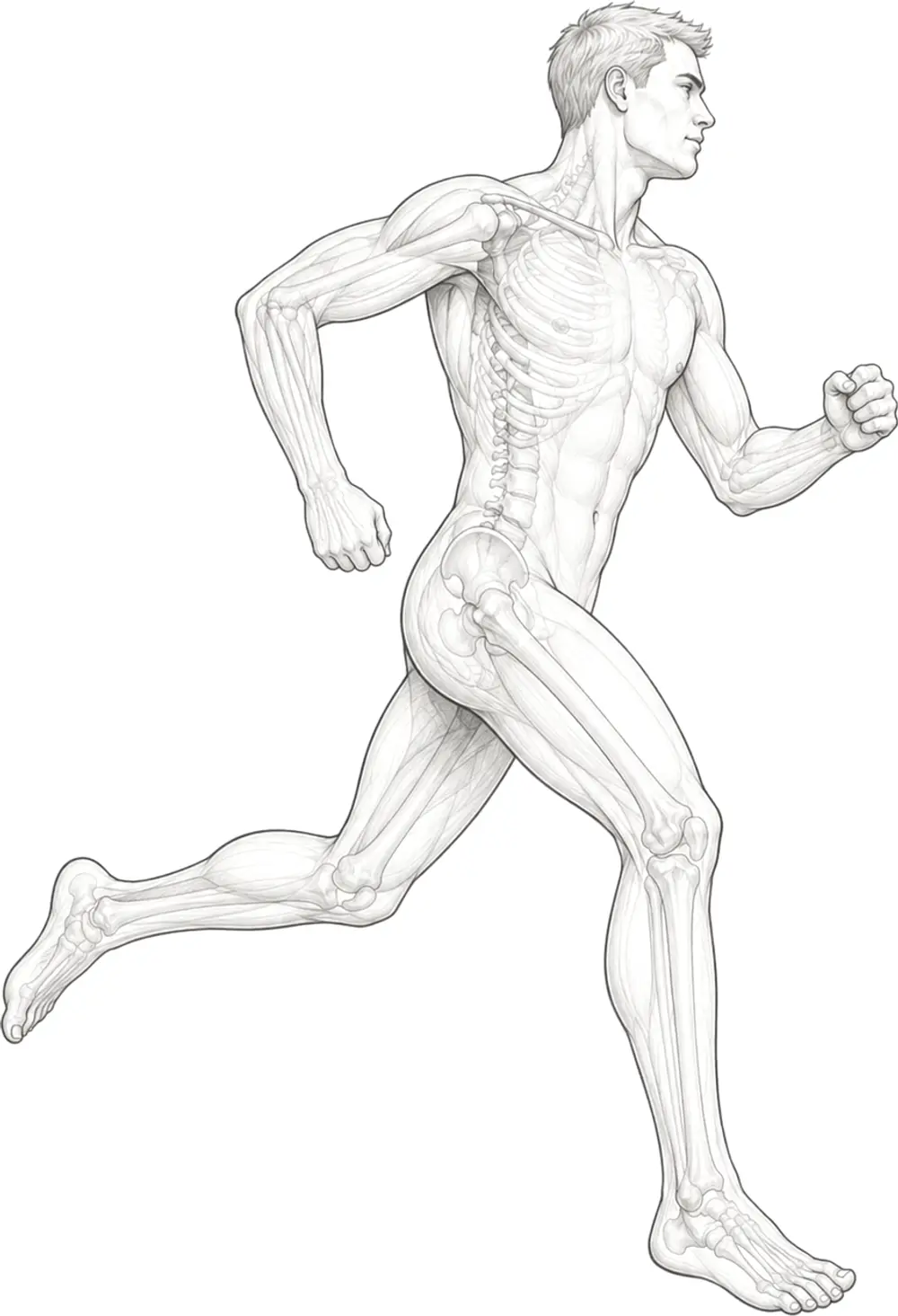
Where does it hurt?
Hover over any of the marked areas to see some of the conditions we treat there. These are only a small portion of what we treat — if yours isn’t here, get in touch anyway and we’ll help.
Head & jaw
Headaches and jaw pain are frequently driven by the neck and jaw joint — both treatable.
- Tension-type headache
- Cervicogenic headache
- Migraine-associated neck pain
- TMJ (temporomandibular joint) disorder
- Jaw pain, clicking and limited opening
- Bruxism-related jaw and facial pain
- Cervicogenic dizziness
- Occipital neuralgia
Neck & cervical spine
Neck pain that stays local, and neck pain that refers into the head, shoulder or arm.
- Cervical facet joint pain
- Whiplash-associated disorder
- Acute wry neck (torticollis)
- Cervical disc-related pain
- Cervical radiculopathy (pinched nerve)
- Thoracic outlet syndrome
- Neural tension referring into the arm
- Postural and desk-related neck pain
Shoulder
One of the most common regions we treat, in athletes and desk workers alike.
- Rotator cuff tendinopathy and tears
- Subacromial shoulder pain
- Frozen shoulder (adhesive capsulitis)
- AC joint sprain and injury
- Shoulder instability and dislocation
- Long head of biceps tendinopathy
- Scapular dyskinesis and control
- Suprascapular nerve entrapment
Upper back & thoracic spine
Often the driver behind neck and shoulder symptoms rather than the source of pain itself.
- Thoracic facet joint pain
- Postural and desk-related thoracic pain
- Rib joint dysfunction
- Thoracic disc-related pain
- Thoracic mobility restriction
- Interscapular pain
- Intercostal muscle strain
- Referred pain from the thoracic spine
Elbow
Usually load-related, and usually very responsive to a structured loading programme.
- Lateral epicondylalgia (tennis elbow)
- Medial epicondylalgia (golfer’s elbow)
- Distal biceps tendinopathy
- Triceps tendinopathy
- Olecranon bursitis
- Cubital tunnel syndrome (ulnar nerve)
- Radial tunnel syndrome
- Post-fracture and post-operative stiffness
Lower back
The most common complaint we see. Most of it settles well with the right loading plan.
- Non-specific low back pain
- Lumbar disc-related pain
- Lumbar facet joint pain
- Sciatica (sciatic nerve pain)
- Lumbar radiculopathy
- Lumbar spinal stenosis
- Sacroiliac joint pain
- Post-operative spinal rehabilitation
Wrist & hand
From overuse in the gym and at the keyboard, through to post-fracture rehabilitation.
- Carpal tunnel syndrome
- Ulnar nerve compression (Guyon’s canal)
- De Quervain’s tenosynovitis
- Wrist sprains and instability
- TFCC injury
- Thumb base osteoarthritis
- Trigger finger
- Post-fracture wrist rehabilitation
Hip
Common in runners, cyclists and field-sport athletes — and frequently under-diagnosed.
- Hip osteoarthritis
- Femoroacetabular impingement (FAI)
- Hip labral tears
- Gluteal tendinopathy
- Trochanteric bursitis
- Deep gluteal syndrome (sciatic nerve entrapment)
- Meralgia paraesthetica
- Post hip replacement rehabilitation
Groin & pelvis
Groin pain often has more than one source at once — which is exactly why assessment matters.
- Adductor-related groin pain
- Iliopsoas-related groin pain
- Pubic-related groin pain (osteitis pubis)
- Sports hernia / athletic pubalgia
- Sacroiliac joint dysfunction
- Pelvic girdle pain in pregnancy
- Proximal hamstring tendinopathy
- Obturator nerve entrapment
Knee
From acute ligament injury through to long-term osteoarthritis management.
- Patellofemoral pain syndrome
- ACL, MCL and ligament injuries
- Meniscal injuries
- Patellar tendinopathy (jumper’s knee)
- Iliotibial band syndrome
- Knee osteoarthritis
- Pes anserine bursitis
- Post-operative knee rehabilitation
Ankle & foot
Where most running injuries end up, and where load management matters most.
- Ankle sprains and chronic instability
- Achilles tendinopathy
- Plantar fasciopathy (heel pain)
- Medial tibial stress syndrome (shin splints)
- Bone stress injuries and stress fractures
- Tarsal tunnel syndrome
- Morton’s neuroma
- Post-fracture ankle rehabilitation
By region
Head & jaw
Headaches and jaw pain are frequently driven by the neck and jaw joint — both treatable.
- Tension-type headache
- Cervicogenic headache
- Migraine-associated neck pain
- TMJ (temporomandibular joint) disorder
- Jaw pain, clicking and limited opening
- Bruxism-related jaw and facial pain
- Cervicogenic dizziness
- Occipital neuralgia
Neck & cervical spine
Neck pain that stays local, and neck pain that refers into the head, shoulder or arm.
- Cervical facet joint pain
- Whiplash-associated disorder
- Acute wry neck (torticollis)
- Cervical disc-related pain
- Cervical radiculopathy (pinched nerve)
- Thoracic outlet syndrome
- Neural tension referring into the arm
- Postural and desk-related neck pain
Shoulder
One of the most common regions we treat, in athletes and desk workers alike.
- Rotator cuff tendinopathy and tears
- Subacromial shoulder pain
- Frozen shoulder (adhesive capsulitis)
- AC joint sprain and injury
- Shoulder instability and dislocation
- Long head of biceps tendinopathy
- Scapular dyskinesis and control
- Suprascapular nerve entrapment
Upper back & thoracic spine
Often the driver behind neck and shoulder symptoms rather than the source of pain itself.
- Thoracic facet joint pain
- Postural and desk-related thoracic pain
- Rib joint dysfunction
- Thoracic disc-related pain
- Thoracic mobility restriction
- Interscapular pain
- Intercostal muscle strain
- Referred pain from the thoracic spine
Elbow
Usually load-related, and usually very responsive to a structured loading programme.
- Lateral epicondylalgia (tennis elbow)
- Medial epicondylalgia (golfer’s elbow)
- Distal biceps tendinopathy
- Triceps tendinopathy
- Olecranon bursitis
- Cubital tunnel syndrome (ulnar nerve)
- Radial tunnel syndrome
- Post-fracture and post-operative stiffness
Lower back
The most common complaint we see. Most of it settles well with the right loading plan.
- Non-specific low back pain
- Lumbar disc-related pain
- Lumbar facet joint pain
- Sciatica (sciatic nerve pain)
- Lumbar radiculopathy
- Lumbar spinal stenosis
- Sacroiliac joint pain
- Post-operative spinal rehabilitation
Wrist & hand
From overuse in the gym and at the keyboard, through to post-fracture rehabilitation.
- Carpal tunnel syndrome
- Ulnar nerve compression (Guyon’s canal)
- De Quervain’s tenosynovitis
- Wrist sprains and instability
- TFCC injury
- Thumb base osteoarthritis
- Trigger finger
- Post-fracture wrist rehabilitation
Hip
Common in runners, cyclists and field-sport athletes — and frequently under-diagnosed.
- Hip osteoarthritis
- Femoroacetabular impingement (FAI)
- Hip labral tears
- Gluteal tendinopathy
- Trochanteric bursitis
- Deep gluteal syndrome (sciatic nerve entrapment)
- Meralgia paraesthetica
- Post hip replacement rehabilitation
Groin & pelvis
Groin pain often has more than one source at once — which is exactly why assessment matters.
- Adductor-related groin pain
- Iliopsoas-related groin pain
- Pubic-related groin pain (osteitis pubis)
- Sports hernia / athletic pubalgia
- Sacroiliac joint dysfunction
- Pelvic girdle pain in pregnancy
- Proximal hamstring tendinopathy
- Obturator nerve entrapment
Knee
From acute ligament injury through to long-term osteoarthritis management.
- Patellofemoral pain syndrome
- ACL, MCL and ligament injuries
- Meniscal injuries
- Patellar tendinopathy (jumper’s knee)
- Iliotibial band syndrome
- Knee osteoarthritis
- Pes anserine bursitis
- Post-operative knee rehabilitation
Ankle & foot
Where most running injuries end up, and where load management matters most.
- Ankle sprains and chronic instability
- Achilles tendinopathy
- Plantar fasciopathy (heel pain)
- Medial tibial stress syndrome (shin splints)
- Bone stress injuries and stress fractures
- Tarsal tunnel syndrome
- Morton’s neuroma
- Post-fracture ankle rehabilitation
This page is not a diagnosis. Conditions that feel similar can have very different causes, and the right treatment depends on a proper assessment. If you're unsure what's going on, book an assessment and we'll work it out with you.
Not sure what's causing it?
That's what the first appointment is for. We'll assess how you move, work out what's actually driving the symptoms, and build a plan from there.